

Card decks
Theatre Theorist Cards Set 2 - Movement and Physical Theatre Deck
£22
A full deck of 52 playing cards that turns theatre theory into something students stage, not memorise: 13 theatre-makers, from Grotowski, Lecoq, Laban, Bogart, Bausch and more, each with their central idea as something to test in the room.
- 13 theatre-makers across four suits
- Spaces, Performers, Audiences and Ideas
- For IB DP, A Level, BTEC and beyond
- Free teacher guide with games and frameworks
Shipped worldwide
Secure checkout by Shopify, in the ISTA Store. Prices in GBP. Any customs duties or import taxes are paid by the recipient.
What’s in the box
39 theatre-makers. 156 ideas to stage, not memorise.
Three full decks of playing cards. Each card introduces one theatre-maker, theorist or practitioner, with their central idea about theatre written as something to test practically rather than a fact to recall. Each set works on its own, or combine all three for a wider range of perspectives.
 Set IStory and NarrativePractitioners who transformed how theatre tells stories, examines society and questions the human experience.Stanislavski · Brecht · Artaud · Brook · Boal · Taymor · Anna Deavere Smith · Hansberry · Soyinka · Michael Chekhov · Johnstone · Scott Graham · FoSee Set I · £22
 Set IIThis setMovement and Physical TheatrePractitioners who put the body, voice and movement at the heart of performance.Grotowski · Lecoq · Laban · Bogart · Bausch · Hijikata · Suzuki · Newson · Berkoff · Gaulier · Linklater · Pisk · Decroux
 Set IIIProduction and Stage DesignPractitioners who reshape theatre through space, design, technology and visual storytelling.Hal Prince · Robert Wilson · Ming Cho Lee · Gordon Craig · Katie Mitchell · Svoboda · Lepage · John Wright · Mnouchkine · Es Devlin · Kantor · Pamela Howard · McBurneySee Set III · £22
Want all 39 theatre-makers? Add all three sets to your basket in one go.
- SpacesHow the theatre space and production elements serve the theorist’s intentions.
- PerformersThe performer: their skills, training, rehearsal and relationships on stage.
- AudiencesThe audience: their role, their experience, and the impact of watching live.
- IdeasThe ideas, themes and intentions behind the work, and theatre’s power to change.
Every theorist appears on all four suits, so students see the breadth of their thinking, not a single belief.
Try it now
Don’t study it. Stage it.
Draw a theorist and ask your group: what would change if we made theatre this way? One minute to read, ten to try it.
The challenge
Take a moment from a well-known fable or fairy story. What performance and production choices would you make, about the space, the performers, the audience’s experience or the ideas, to experiment with the theory on your card?
Try: Little Red Riding Hood: “What big teeth you have”
Apply the card to the story on paper: scribble your choices, then pitch them to someone else in a minute.
42 cards to try here, from across the three sets, with every suit for six of the theorists. Each full set has 52, covering 13 theatre-makers across four suits.
Theory through practice
Students remember theory they’ve tried, not theory they’ve read.
Try it before you explain it
Testing an idea practically, before naming or analysing it, builds an understanding that reading alone cannot.
Compare to see the difference
Two practitioners on the same starting point make their differences visible in a way descriptions rarely do.
Lower the stakes
An idea is something to test, not to agree with. Students try approaches they would never normally choose.
Students do not need to agree with, or even fully understand, an idea before trying it. Often, the practical work generates the questions that make the theory worth reading afterwards.
Built for the course requirements of
- International Baccalaureate
- AQA
- Pearson
- Cambridge International
And theatre courses everywhere that ask students to work with practitioners.
The method
Five steps. Any spare five minutes.
Pick a card
At random for breadth, or by choice to meet a specific practitioner.
Set a time limit
One minute to read and prepare, ten to twenty to create.
Apply the idea fully
A genuine starting point, not a label added afterwards.
Share and name it
What changed because of this practitioner’s approach?
Decide what to keep
One discovery is often enough to move the work on.
It’s a deck of cards. Play with it.
Suits, ranks and hands: games that teach theory
Deal a hand
Three to five cards per group. Build around one, hold the rest back to challenge a choice later.
Side by side
Two cards, one starting point, two short responses performed back to back.
Theorist swap
Halfway through rehearsal, swap cards with another group and carry on without restarting.
Four corners
Students move to the corner, space, performer, audience or story, that a card emphasises most.
Pairs and sequences
Find two cards of the same rank: where would these practitioners agree, and disagree?
Suits as groups
Split a big class by suit, each group drawing only from its own.
Script hunt
Draw an Ideas card and find a play text that embodies it, then design it with a Spaces card.
Theorist TV debate
Teams argue a question, such as the purpose of modern theatre, as their theorist would.
- IB DP Theatre
- A Level Drama and Theatre
- BTEC Performing Arts
- MYP and upper KS3
- Research projects and portfolios
- Teacher training and CPD
For IB, A Level and beyond
Meeting a theorist you haven’t studied?
Most senior courses ask students to take on an unfamiliar practitioner. The cards are built for exactly that moment: find out what an idea does before committing weeks of work to it.
Survey
Deal three to five cards of practitioners the student hasn’t studied.
Test
Five to ten minutes of practical testing for each, from a simple starting point.
Narrow
Which attempts produced something worth developing? Which felt forced?
Commit and research
Choose one, then research it properly in primary and secondary sources.
Develop
Keep checking the idea is shaping the work’s choices, not just its description.
Put it on the wall
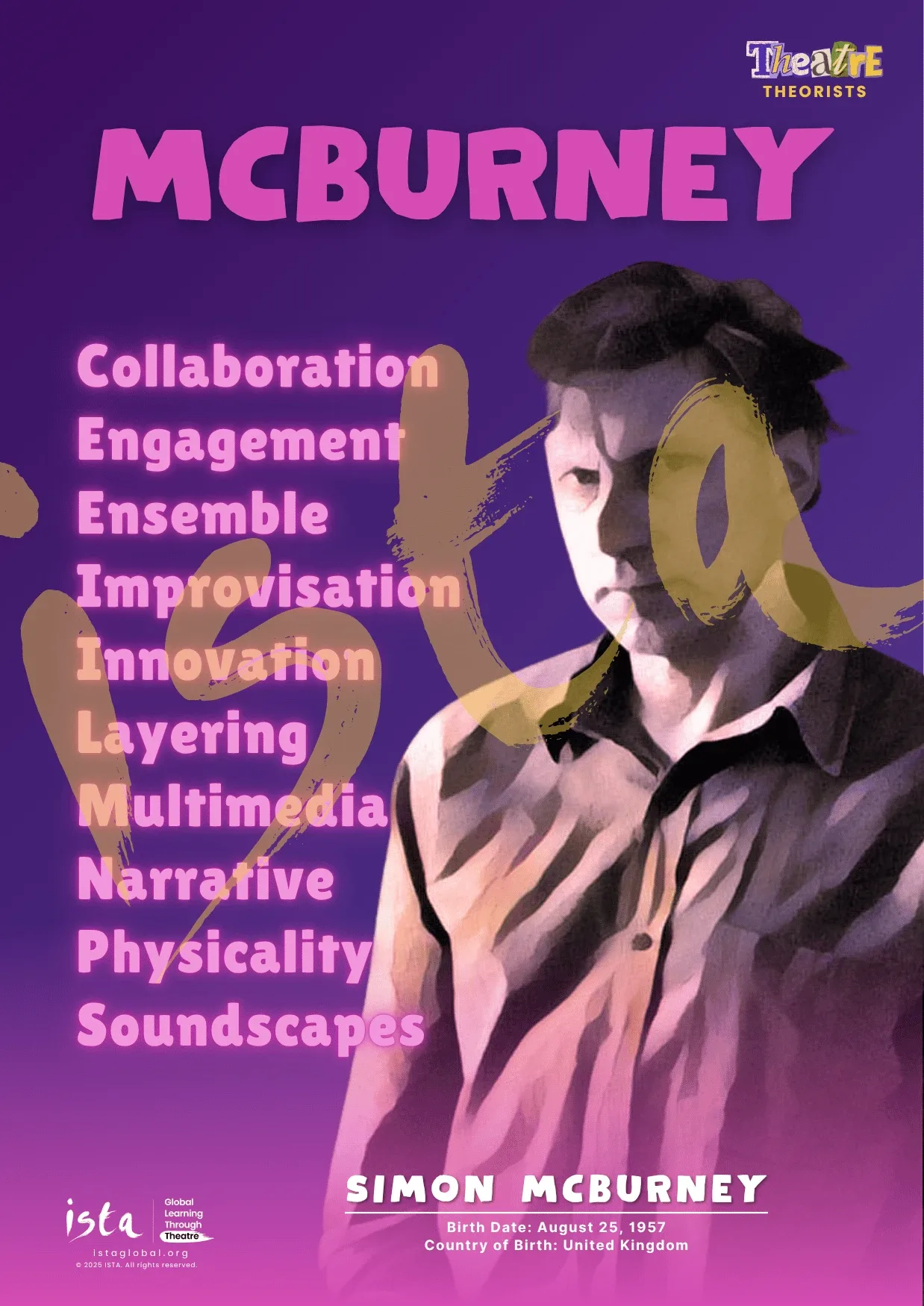
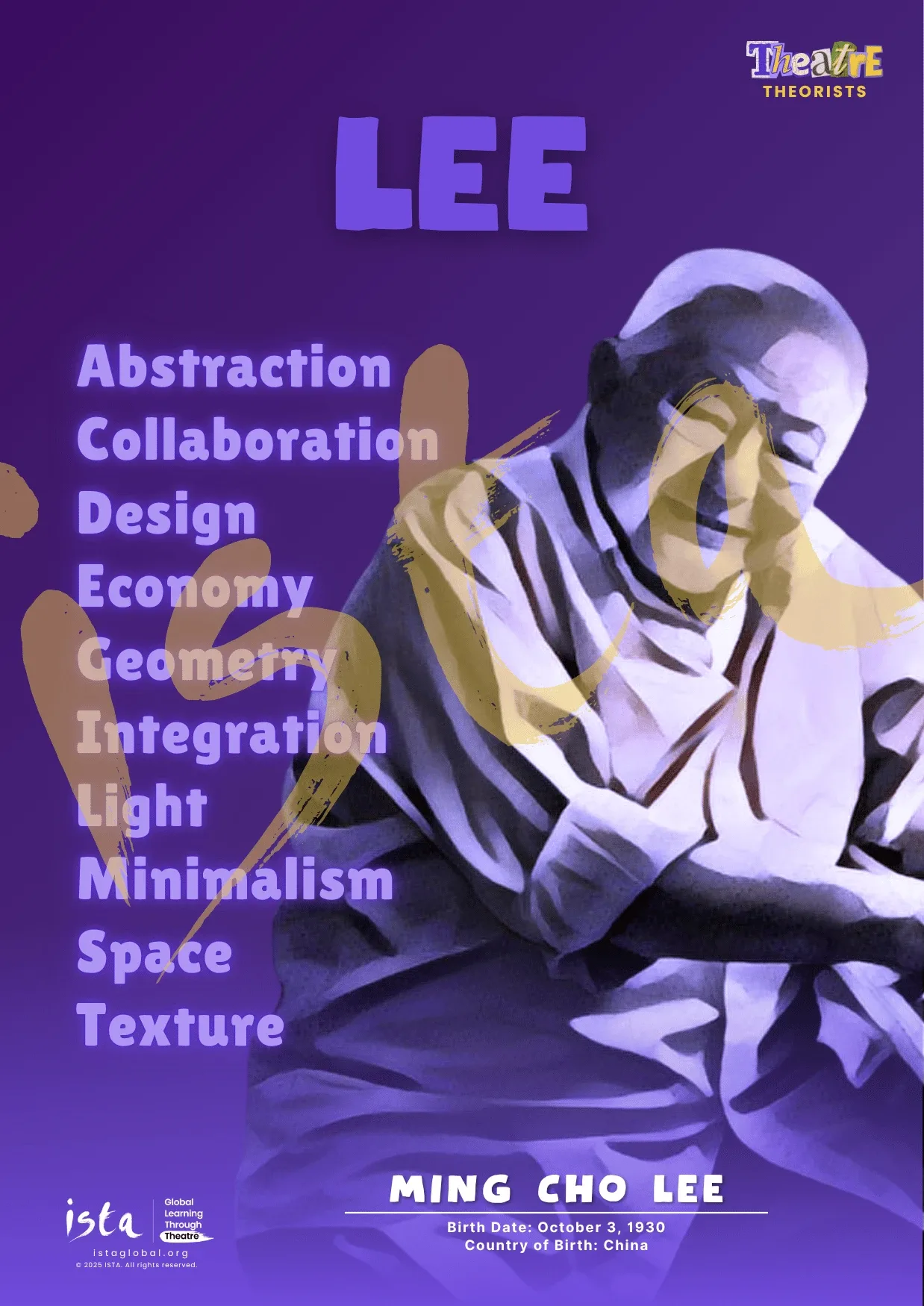
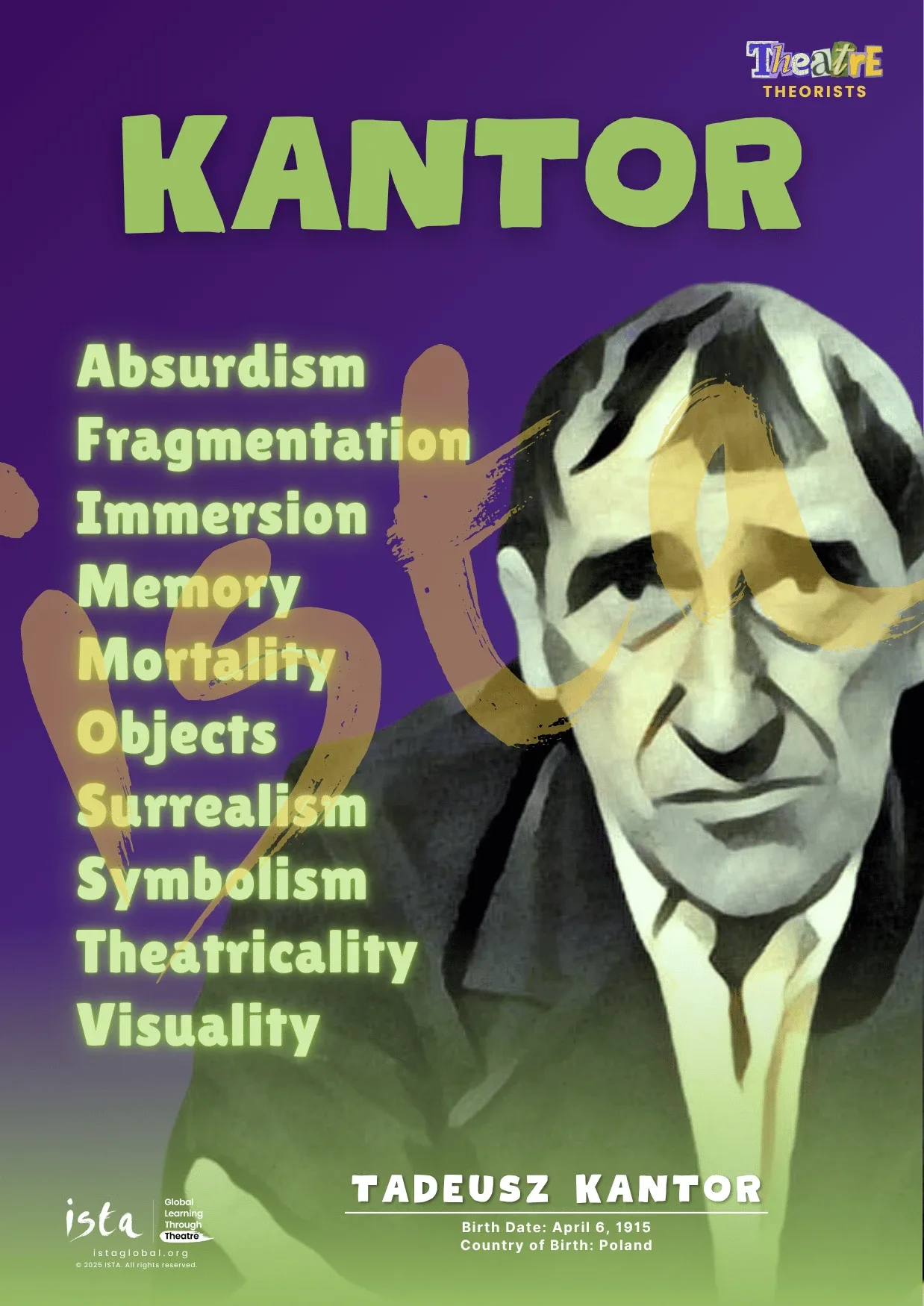
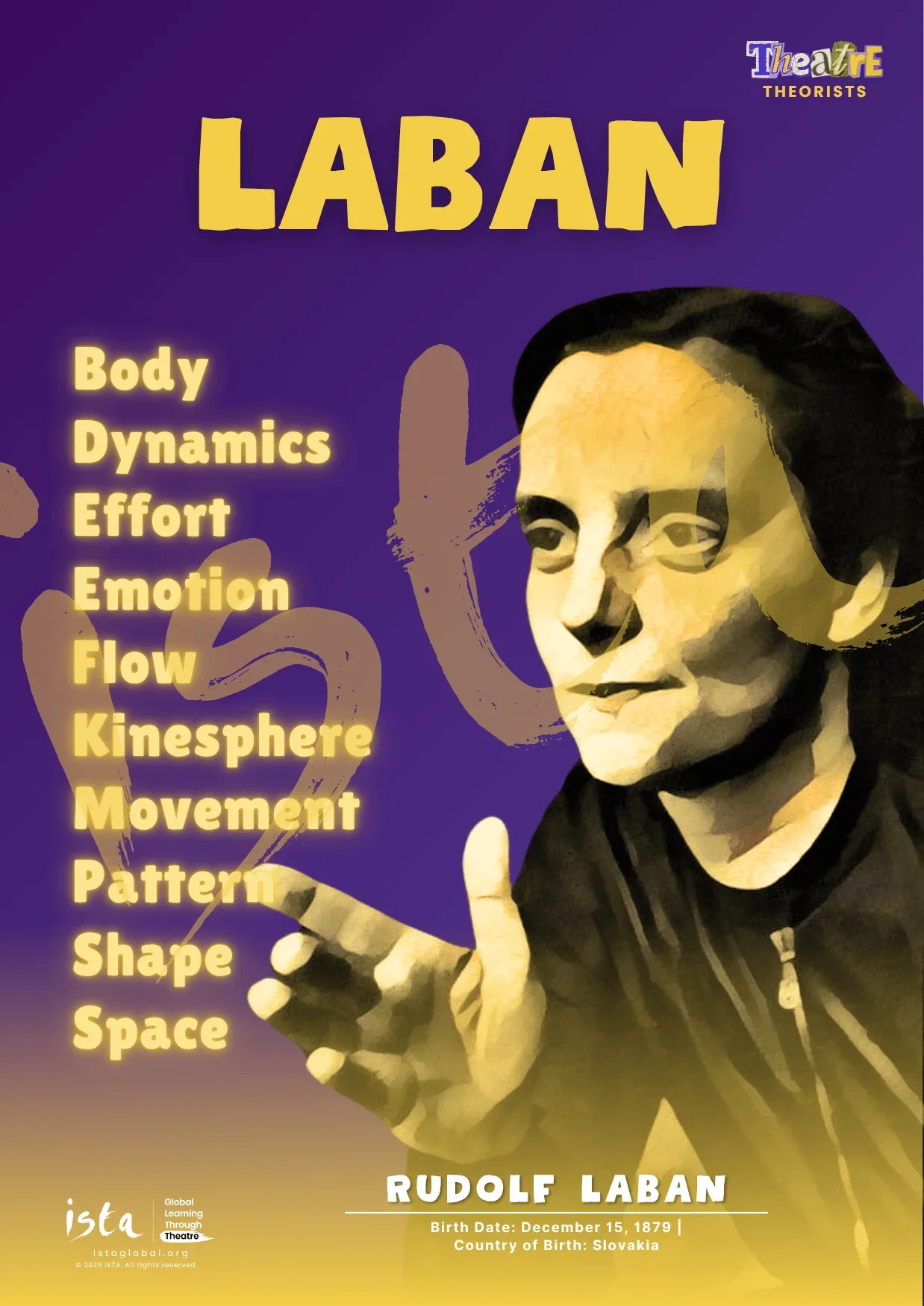
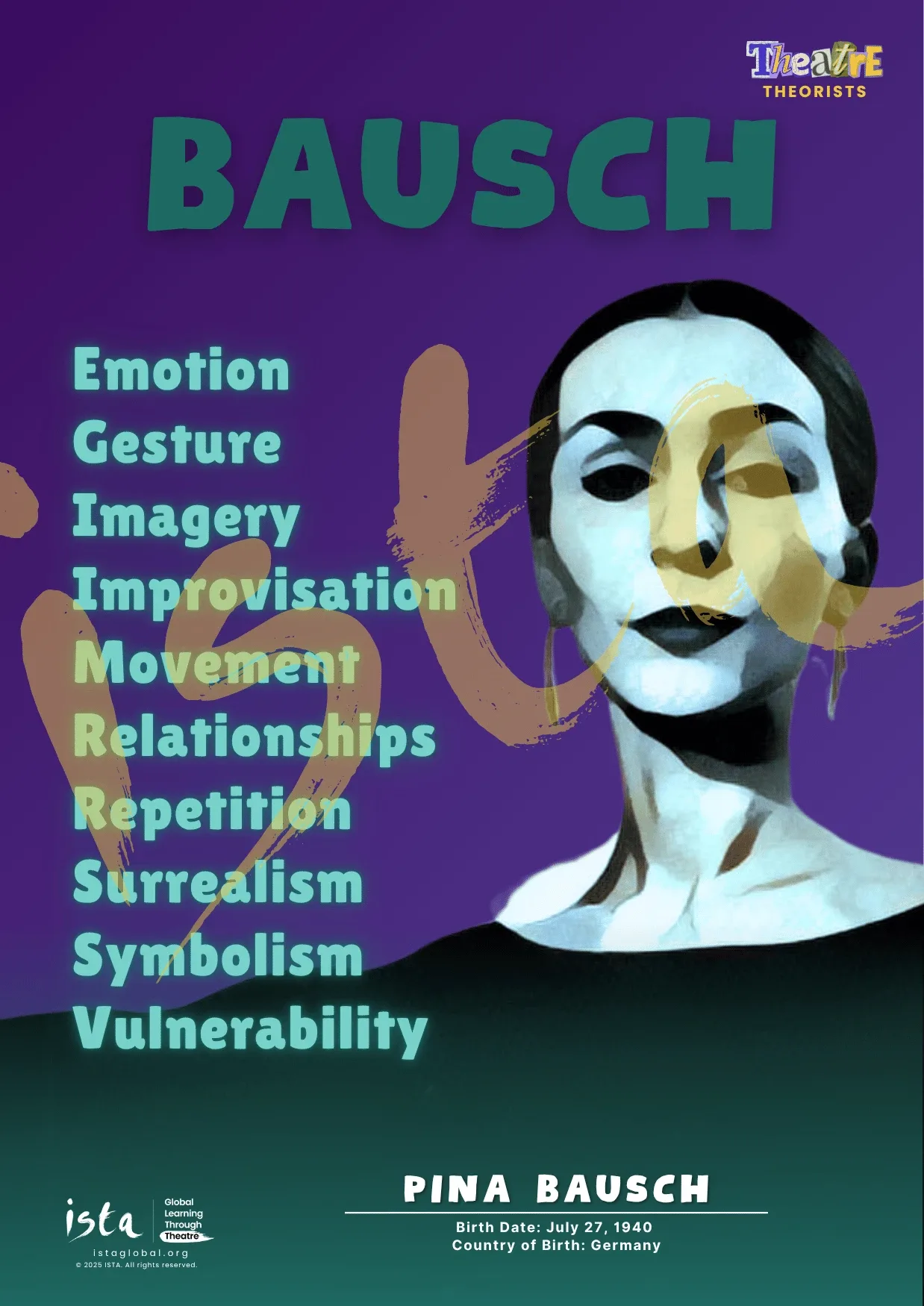
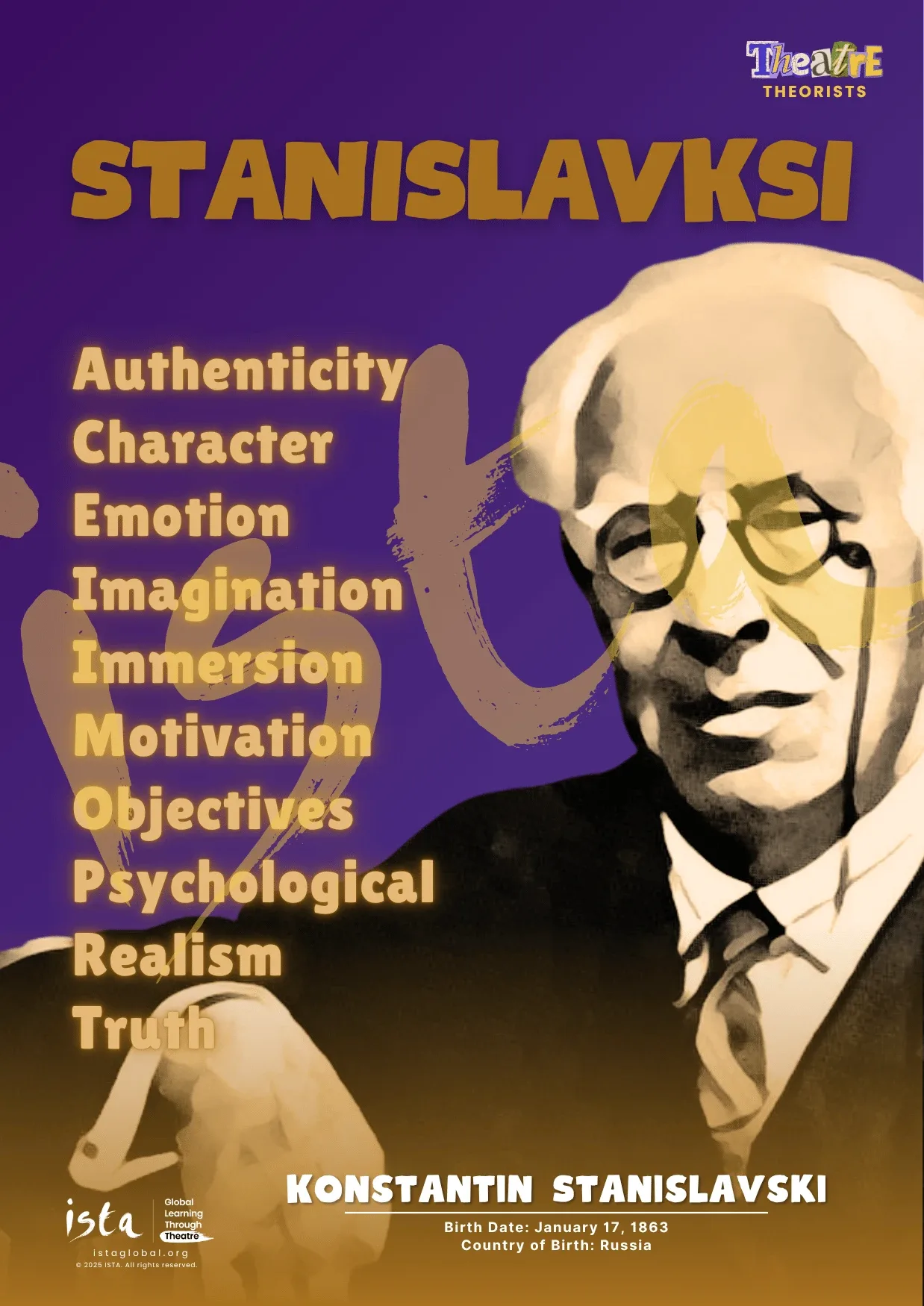
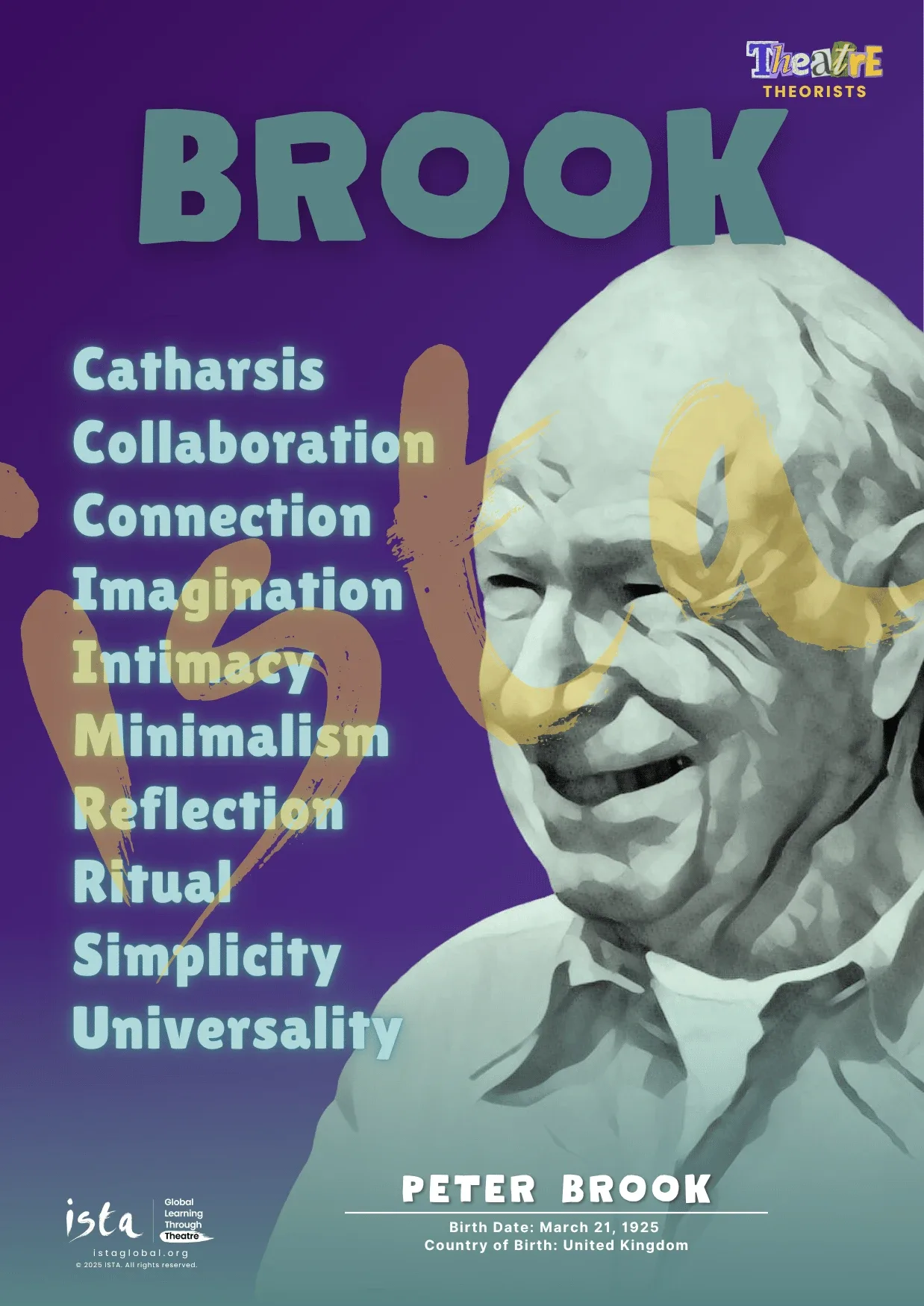
The Theatre Theorists posters
All 39 theorists on your studio walls: one poster for every practitioner in the decks, plus an overview, as a digital set to print as often as you like.
Ready for the full decks?
Each set is a full deck of 52 cards: 13 theatre-makers across four suits. Free teacher guide included.
More card decks



From the artists behind these resources
The resources set the stage. Encore brings them to life.
Watch the people who made these cards, posters and guides teach with them. ISTA Encore is on-demand professional learning for arts educators: practical, filmed and ready for Monday’s lesson.

Or unlock the whole library for a year with an All-Access Pass: £300, or £250 for Ensemble and Company members.