

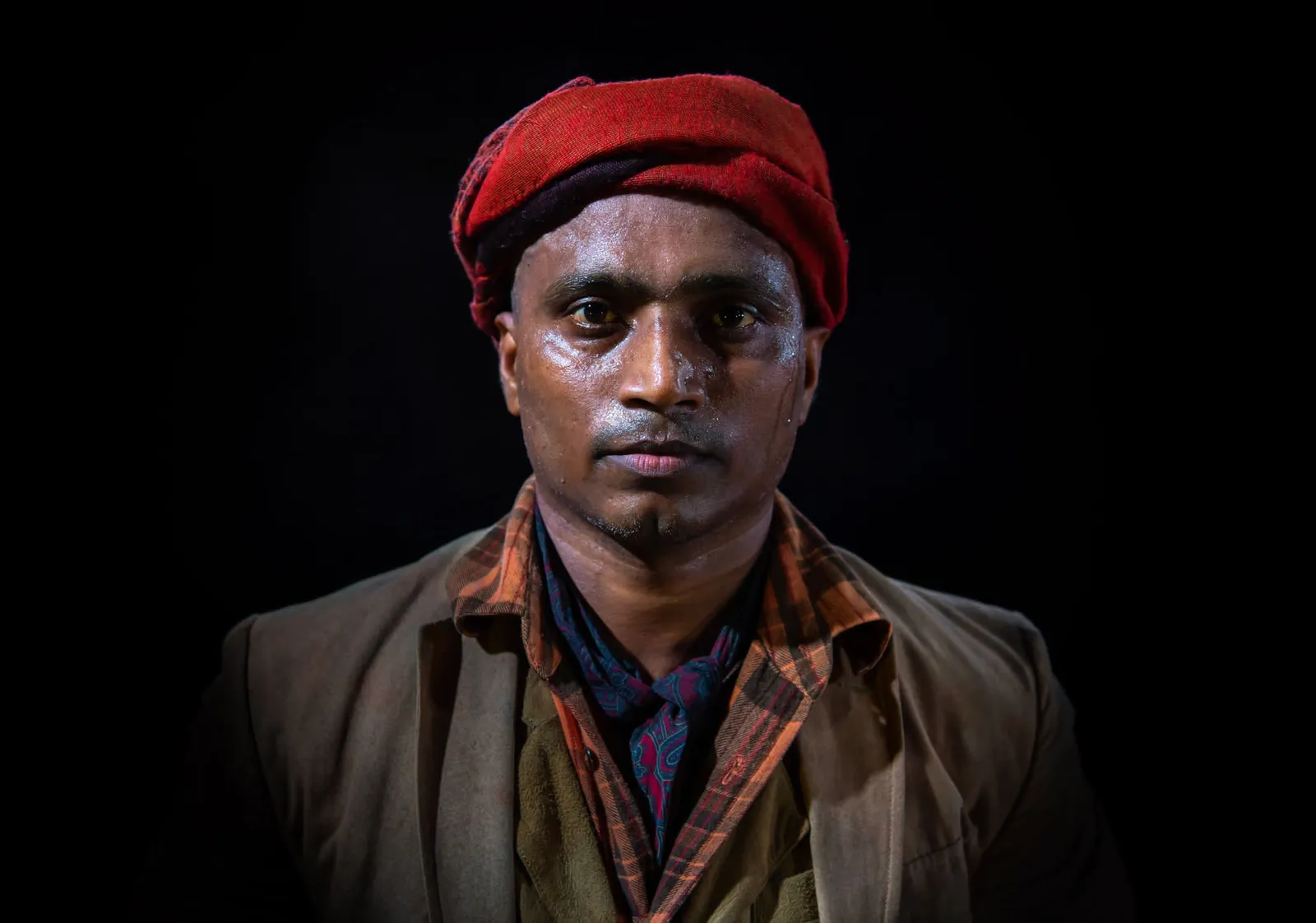
People often ask me how I became a dancer. The truth is, I think I was moving long before I ever thought about dance.
As a child in Keralam, in the south of India, I was hyperactive and obsessed with movement, especially anything that moved fast. I recreated all the Jackie Chan fights with my friends. A borrowed pair of roller skates gave me wings. I ran like a panther, jumped from tree to tree like a monkey. I climbed trees at every opportunity, hiding amongst the branches for hours on end. It became such a habit that I earned the nickname പല്ലി (pronounced palli, the Malayalam word for "lizard"). Looking back at that time now, I realise I wasn't simply playing. I was searching for different ways of seeing the world.
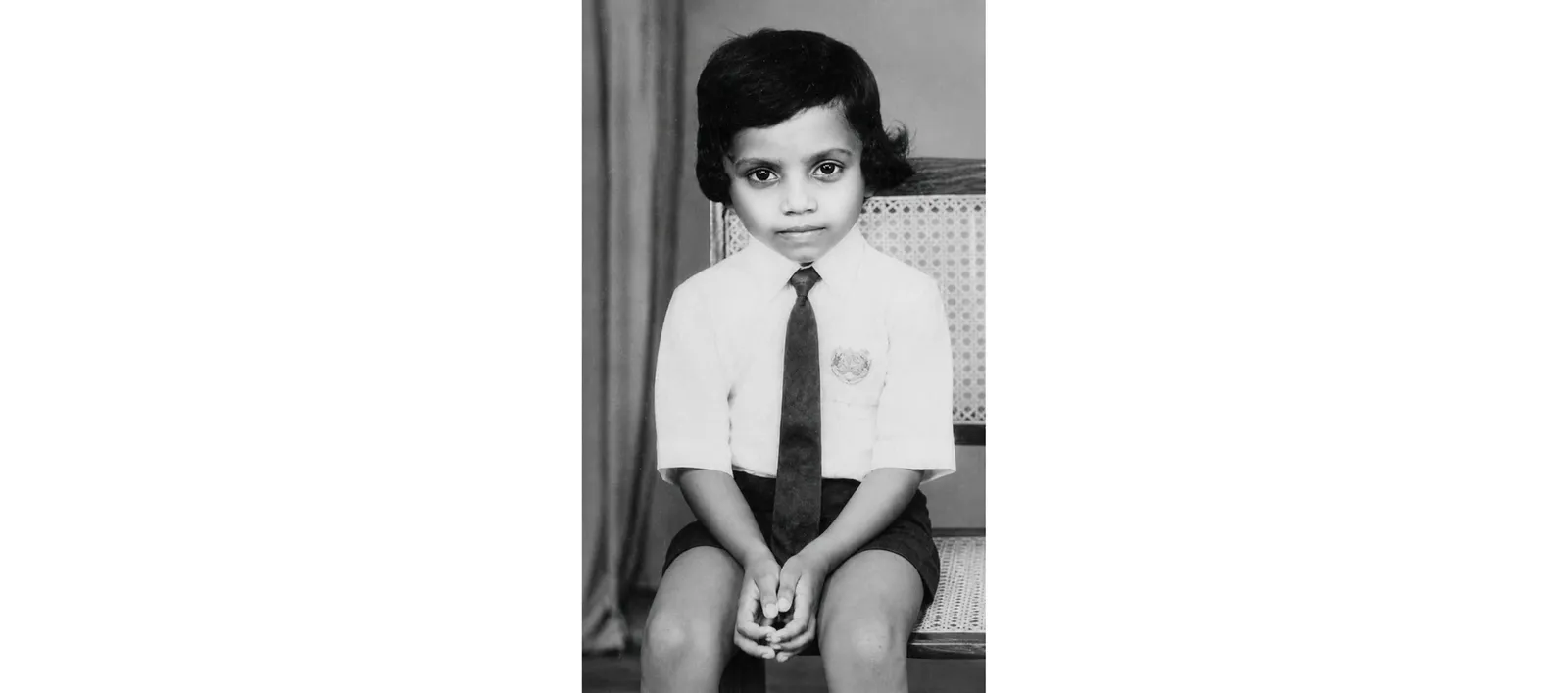
My childhood was full of uncertainty. My parents separated when I was four years old. My father was a committed Marxist; my mother was deeply spiritual and spent much of her life around temples. They inhabited completely different worlds. Their separation led to a strange chapter of my childhood where both sides of the family tried to liberate me from the other. After bouncing back and forth between the two households several times, my mother's side finally succeeded in keeping me. Fortunately for her, my uncles and many of their friends were trained in Kalarippayattu, Keralam's traditional martial art. She had a good team.
Eventually, after many court appearances over my custody, I came to live with my mother in Thiruvananthapuram, the capital of Keralam. Stability was never something I took for granted. Uncertainty became normal, and perhaps that is why I became so good at escaping into my imagination. Movement, climbing, running and inventing dream worlds became places of refuge.
Like many middle-class families in India at the time, there was a clear expectation for my future. I was going to become an engineer. It sometimes felt as though there were only two options: engineering or death.
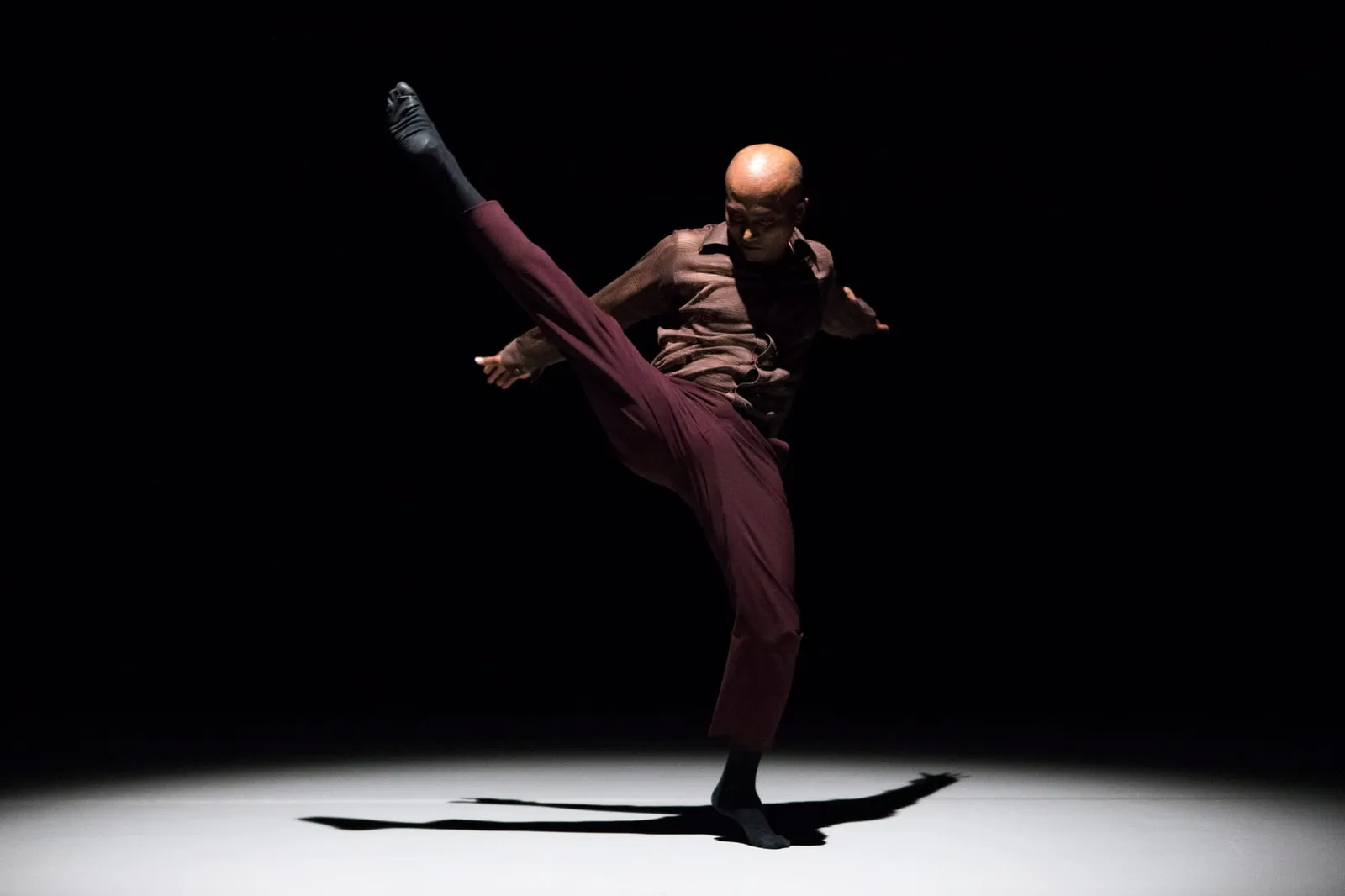
I studied Electronics Engineering in a Polytechnic College in Keralam to keep my mother happy, who was raising my brother and me alone. I knew the sacrifices she had made and I felt responsible for her happiness. I also carried the unspoken expectation that I would become the father figure within our small family.
Yet inside, something never felt quite right.
For me engineering offered certainty, but it didn't offer meaning.
After graduating, while everyone around me was preparing for careers in technology, I found myself reconnecting with some old friends whose new obsession seemed wonderfully impractical: Bollywood dance. We started creating and performing together in my hometown. The performances attracted huge crowds and, without realising it, something inside me began to wake up. I liked the attention and the feeling of creating something together through movement.
Then came the moment that quietly changed everything.
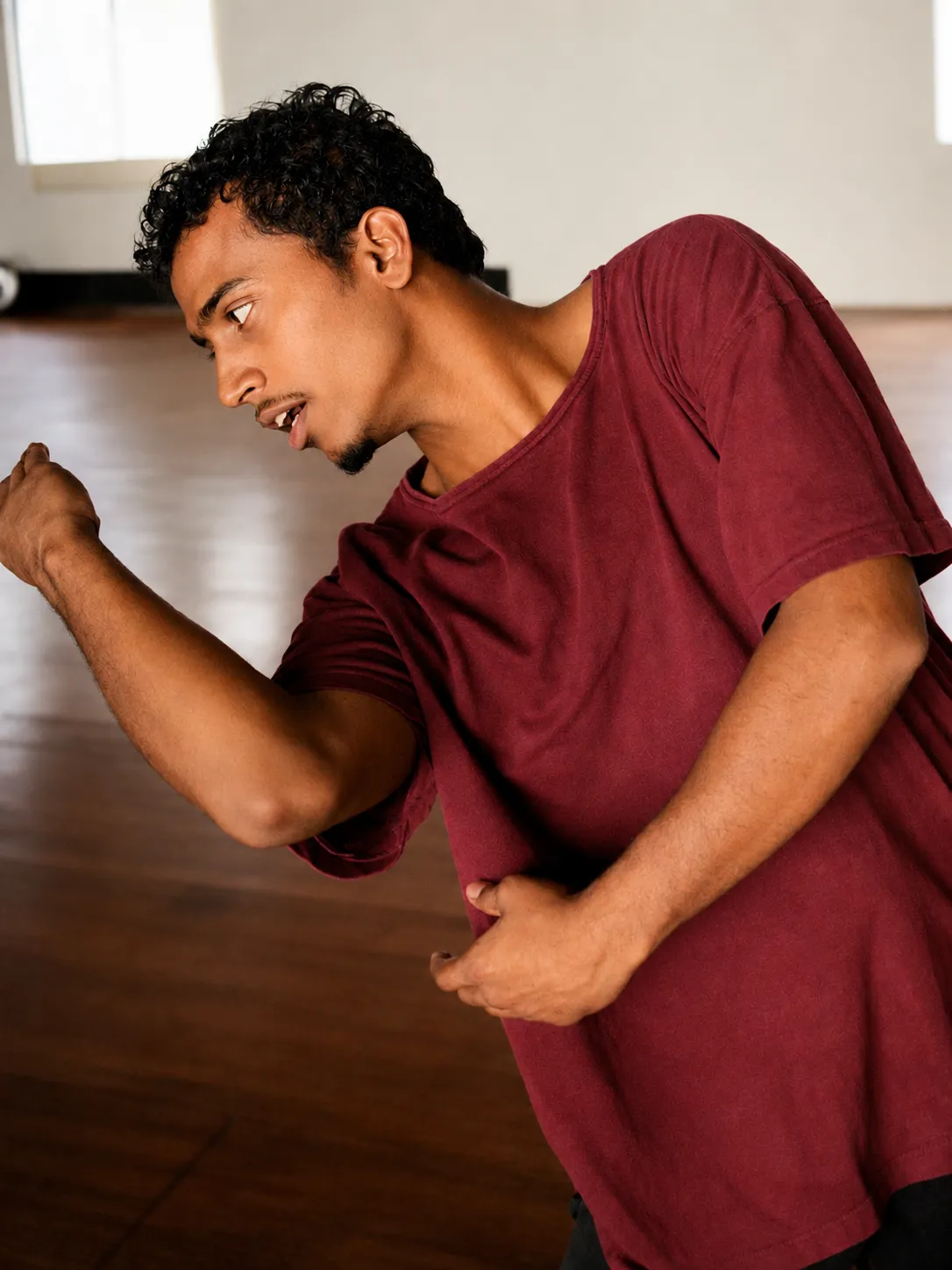
Someone mentioned an audition for a ten-day workshop in Bengaluru (the capital city of the neighbouring state of Karnataka). I heard unfamiliar, exotic-sounding phrases in relation to the audition: contemporary dance, dance research, improvisation, choreographic exploration and so on. If selected, accommodation and travel would be covered.
My friends were auditioning, so I went too.
To my surprise, I was one of the few to be selected!
The location of the ten-day workshop could not have been more ironic. Bengaluru was known as India's Silicon Valley, full of engineering opportunities. I travelled there partly to discover this mysterious thing called contemporary dance and partly to see whether I might still become an engineer after all.
Instead, something completely unexpected happened.
During those ten days I felt more human than I ever had before.
Until then, my body had been something that climbed trees, carried responsibility and did what was expected of it. Suddenly it became a place of curiosity, imagination and freedom. Dance wasn't simply movement. It was a way of thinking, listening and discovering. Although I didn't have that vocabulary for it at the time, this new way of approaching dance felt deeply therapeutic. For the first time, I sensed that who I was and what I was doing could become one and the same thing.
I never looked back.
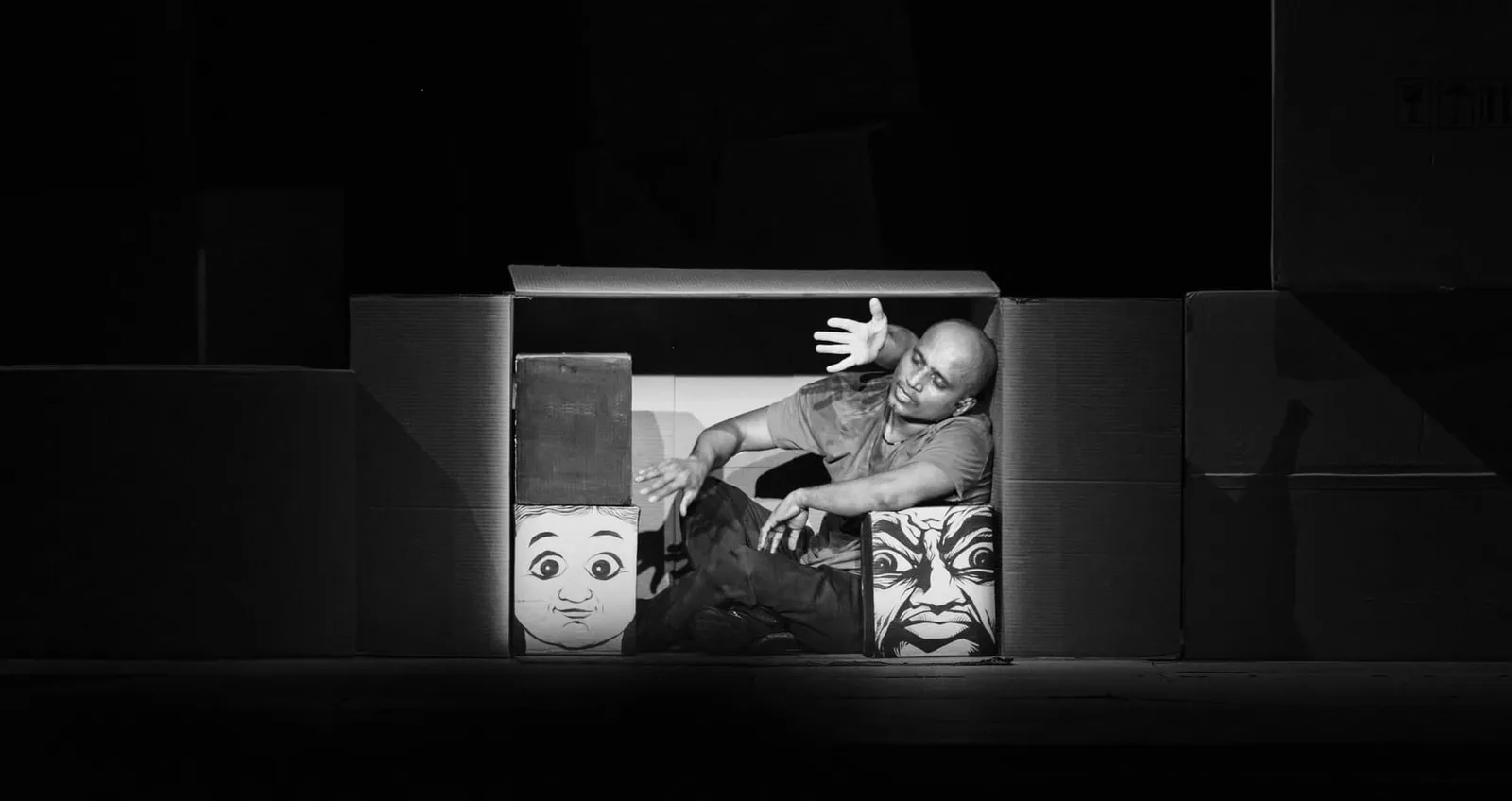
Much to my mother's horror, I abandoned engineering and moved to Bengaluru to train as a dancer. ‘Sorry to hear about your son,’ said my mum’s ‘frenemy’ neighbours.
My father was equally bewildered. His letters became increasingly desperate. Unable to understand contemporary dance, he concluded that I had fallen into the hands of a Western drug mafia and would inevitably die of AIDS.
It sounds absurd now, but I don't blame either of my parents. They simply had no reference point for contemporary dance, and in many ways, neither did I. I had discovered an entirely new world, and I chose to trust it.
Although dance had awakened me and made me feel fully alive, the reality of becoming a dancer was far from romantic. The years that followed were marked by real financial and emotional struggle with no certainty that this path would ever become a sustainable career. Having moved away from the expectations of my family, I found myself trying to build a life with very little security. Many of my friends in Bengaluru had gone on to successful careers in the IT industry and during difficult periods I often borrowed money from them to survive. Yet I was always learning, searching and surviving.
After years of hard work, training and performing in India, I eventually gained my first touring contract in Europe. In 2003 I moved to Britain, beginning another migration that would shape not only my career but also the way I understood myself.
I was fortunate to work on numerous projects as both a choreographer and a performer. Collaborating with artists and companies such as Akram Khan Company, Shobana Jeyasingh, Sasha Waltz & Guests, and Michael Keegan-Dolan, allowed me to tour internationally and experience dance as a truly global language. Every project became another education. Each rehearsal was a place not only of repetition but also of research. No two rehearsals and consequently no two performances were ever the same. They became spaces of enquiry, exploring how lived experience, instinct, imagination and memory shape the way we inhabit movement and reveal something of ourselves through performance. During that time I learned to nurture an idea from its earliest seed into something alive that can exist in time and space.
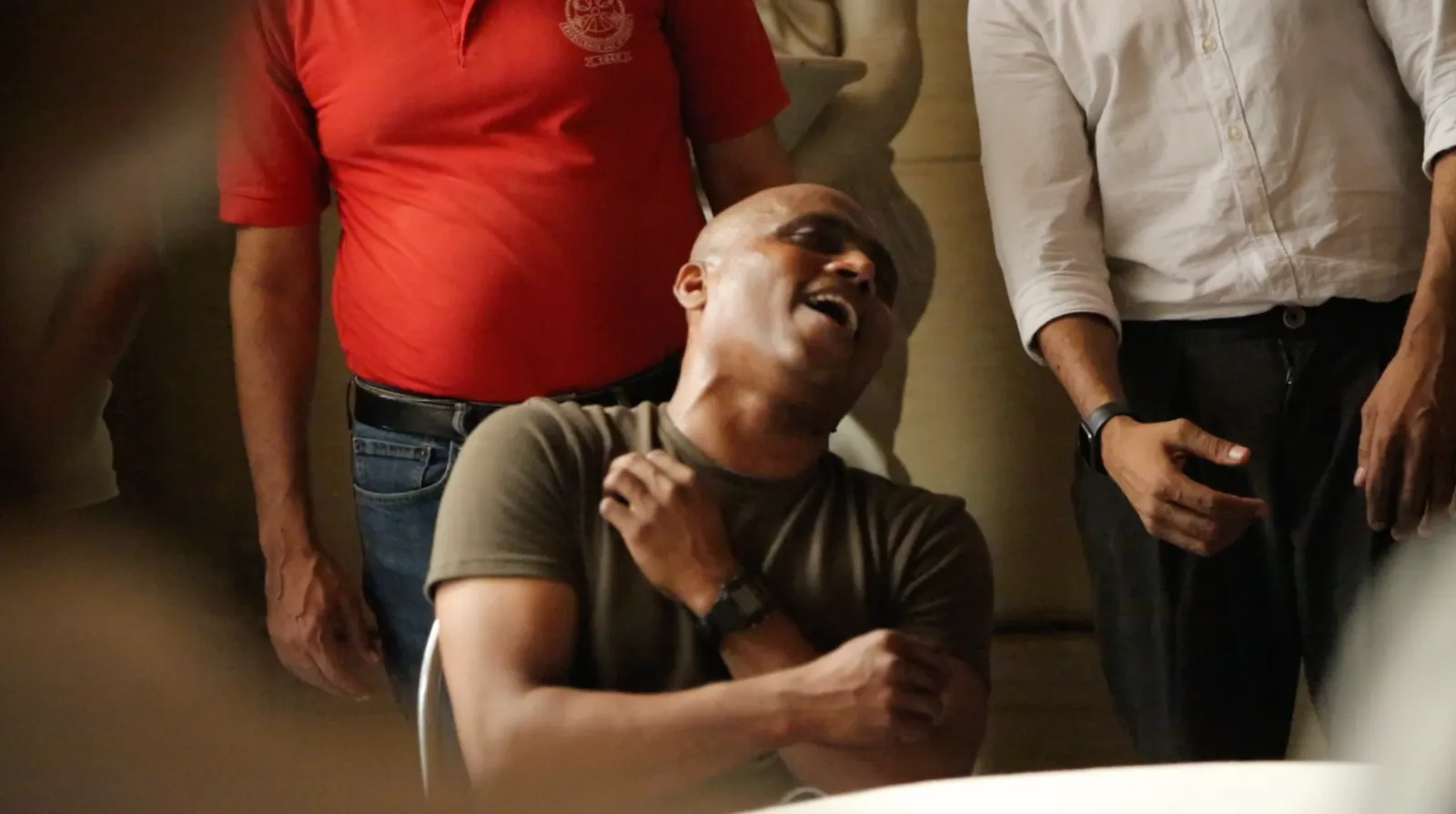
Looking back, migration has become one of the central ideas in my life. Not only migrating between India and Europe, but constantly migrating between cultures, artistic methods, collaborators and ways of thinking. I exist somewhere between worlds, and that in-between space has become incredibly fertile.
Today I often say that I think with my body.
Long before I understand an idea intellectually, I need to move it. I need to feel its weight, its rhythm and its resistance. I experience the world less as a collection of objects and more as vibrations, energies and relationships. Choreography has become my way of asking questions that words cannot answer.
Perhaps that is why my current work explores the absurdity of politics. Growing up in Keralam, one of India's most politically engaged states, I became aware from an early age that public life often revolves around performance as much as policy. Through choreography I can investigate power, instinct and human behaviour without taking a fixed political position. The body often reveals truths that language carefully conceals.
Alongside creating my own work, I continue to perform with Gecko Physical Theatre. I also mentor emerging artists and work as a dramaturg, helping others shape their creative ideas. My fascination with lighting design has also broadened my understanding of performance, reminding me that choreography is never just movement; it is the relationship between bodies, space, light, sound and the audience's imagination.
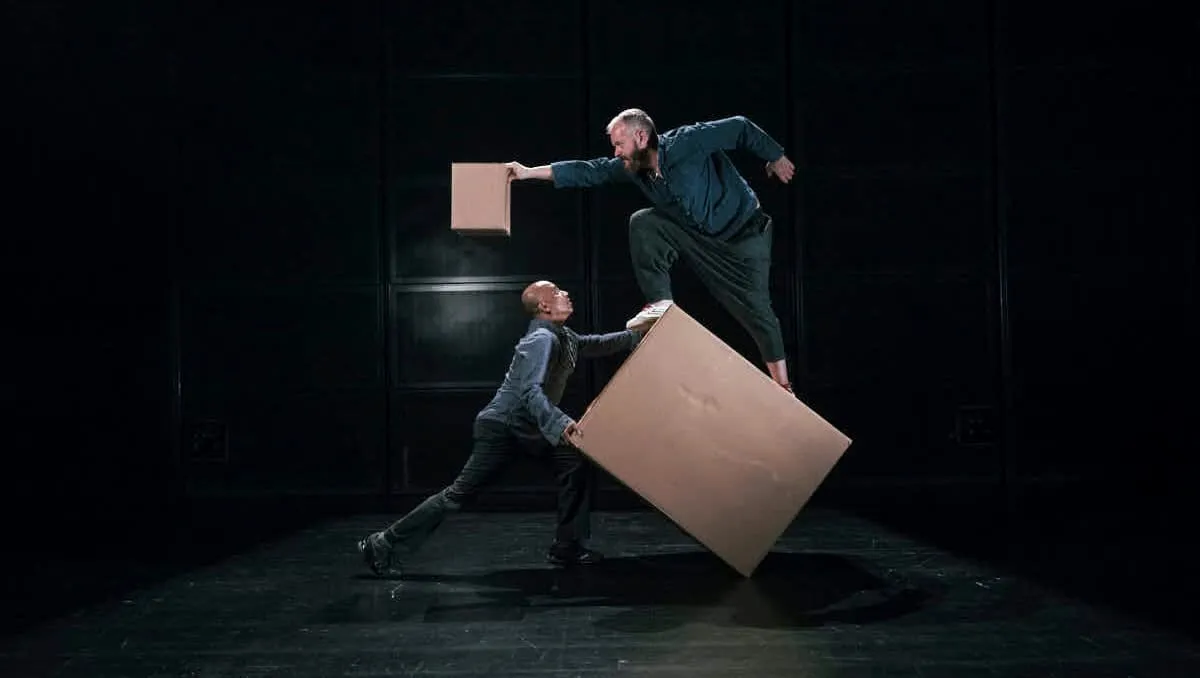
When I think back to the little boy hiding amongst the branches of a tree, I realise he was already searching for perspective. Dance didn't change who I was. It simply gave me a language for the way I had always experienced the world.
None of this was planned. There was no master strategy, no carefully mapped career. My journey has grown organically, guided by curiosity rather than certainty. I have simply kept moving: between places, between ideas, between disciplines, and each movement has taught me something new about being human.
My parents never saw me perform on stage. It was too late for my father, who passed away some years ago. As for my mother, my life had taken me into a world so different from hers that I never dared invite her to any of my performances. In fact, we have never even spoken about my work. I have come to accept that my journey was mine to take, while they belonged to a different world with different understandings of life and its values.
I still believe what I discovered during those ten days in Bengaluru: that movement has the power to make us feel more human. Everything that has happened since has simply been an exploration of that first revelation.