

Since discovering arts as social practice, it’s been a mission of mine to use my theatre-making craft to engage socially with the world around me. I’m inspired by the ways in which artists use social practice to access and amalgamate creativity, empathy and advocacy in order to illuminate the experiences of the communities they work with. So, when I was contacted by Tiff Chun, a socially engaged art curator and moving image artist, to take on a socially engaged theatre project, it was no surprise that I immediately said, ‘Yes.’
The project, DAYDREAM, was a collaboration between Second Home Art (a creative platform that expands on the socio-cultural representation of Migrant Workers within Hong Kong society, through physical and virtual creative practices) and the Migrant Domestic Writers of Hong Kong (MDWHK, a collective of members from the Migrant Domestic Worker Diaspora committed to the craft of writing and the empowerment of fellow migrant writers).
For context, Hong Kong life is in a constant state of motion. As a society driven by excellence, the capacity to succeed is often made possible by the presence of migrant domestic workers (MDWs), a diaspora (consisting mainly of women) who have emigrated to Hong Kong with the intention of working as domestic helpers within Hong Kong households.
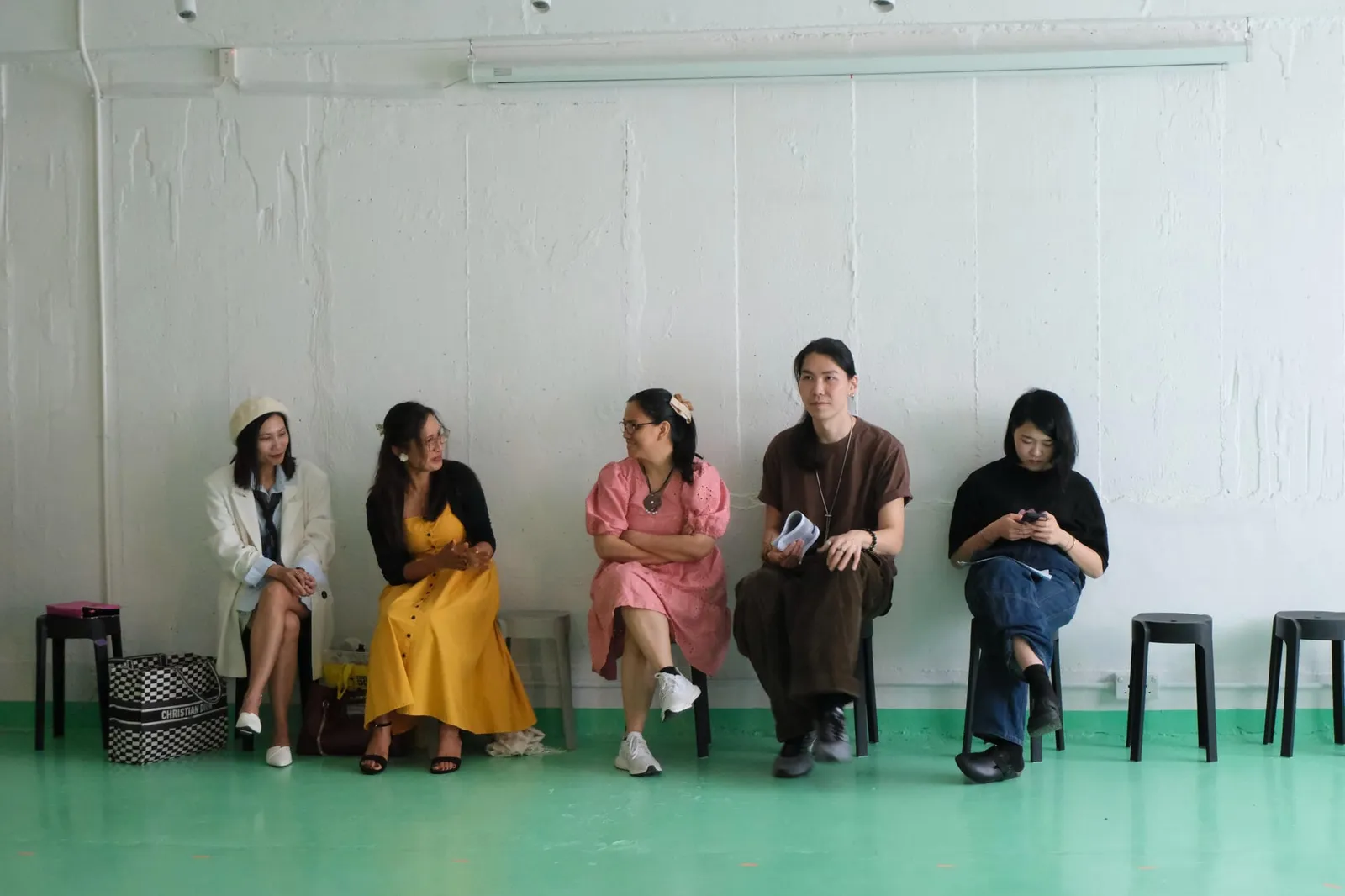
Beginning in the 1970s, the MDW industry has made up around a tenth of the city’s local workforce, and remains one of the pillars of Hong Kong Chinese life. From maintaining households to childcare, from cooking to caring for the sick and elderly, the presence of MDWs allows a huge number of Hong Kong Chinese lives to function and flourish.
I have lived with, and been loved by and cared for by these women throughout my life. They told me stories before bed, wrapped their arms around me when I cried, and celebrated every small thing I achieved. They shared a love with me that went beyond the confines of a contract. Yet eventually, as contracts concluded, so too would they be gone. It is a heartbreak that repeats cyclically throughout our society. This heartbreak, compounded with the inequalities I witnessed being perpetuated against this diaspora, motivated me to further connect with and learn about these women in my adulthood.
I founded Juno Theatre in late 2024 to create work that has a direct dialogue with cross-culturalism and interculturalism, in both work and process. Having grown up between multiple cultures, this project responded to a sense of duty to engage with MDWs, who fully represent and embody interculturalism, in order to find parallels and to acknowledge glaring gaps that exist between us (in privilege, identity, class, etc).
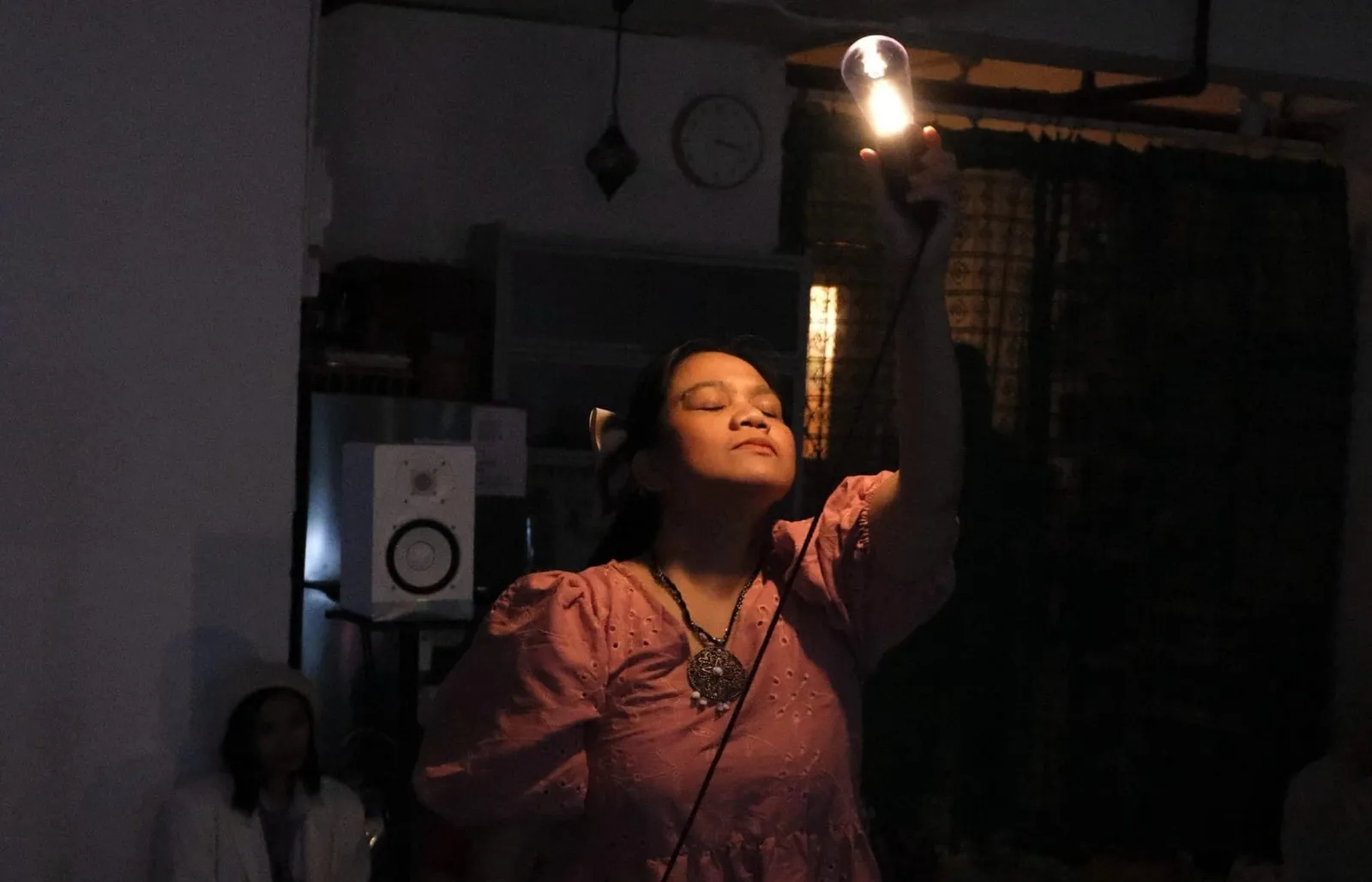
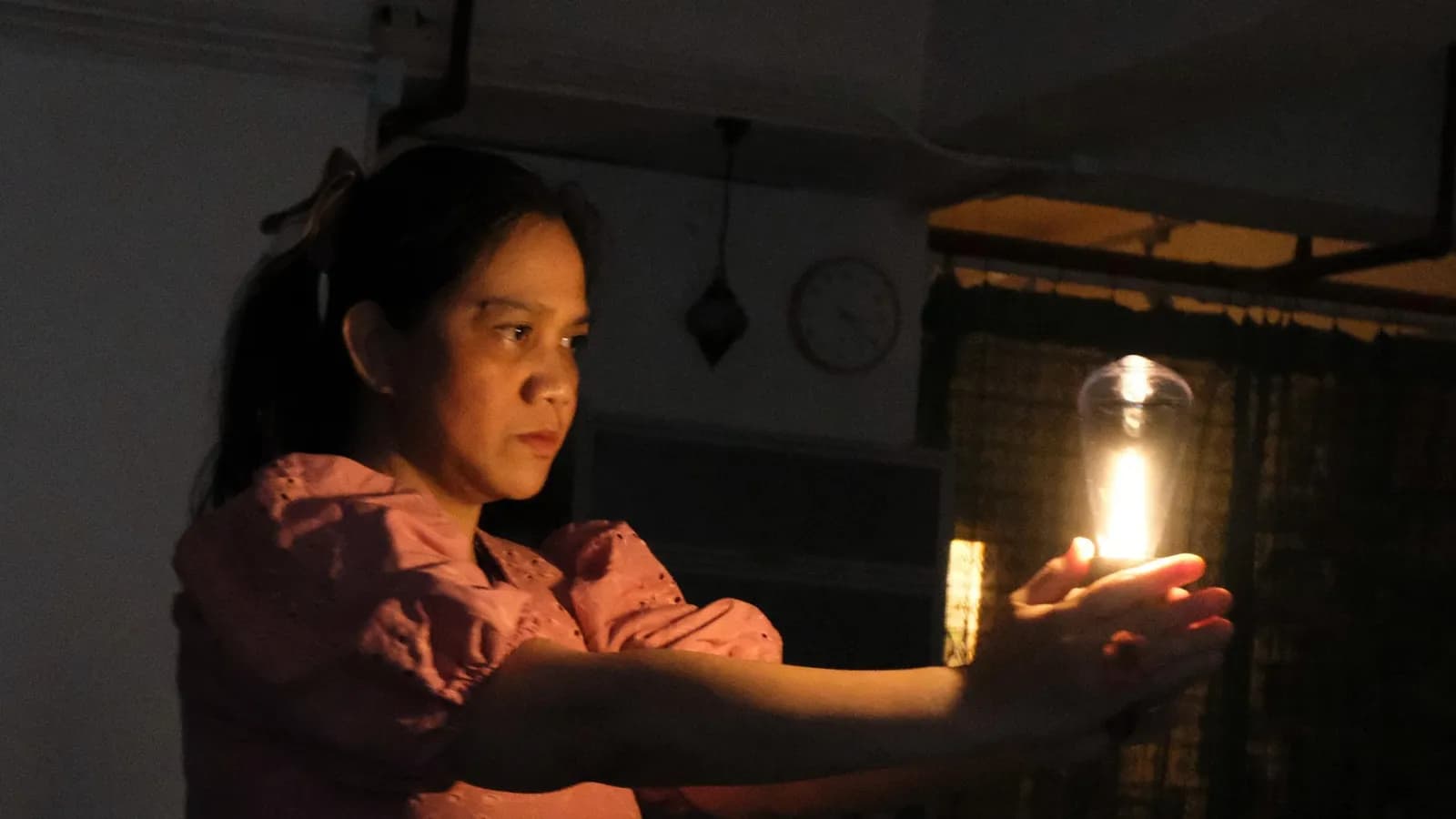
Facilitated through a series of skill-based workshops led by myself (Juno Theatre) and sound artist Hiu Long “Lawrence” Lau, we were tasked with exploring the poetry written by the writers of MDWHK through our respective media. Working one-on-one with each writer over the course of several months, we devised a final showcase that took place on the 29th of March, 2026 in a programme titled ‘DAYDREAM’. We watched these women transform through sharing their words, sounds, actions, and images that told stories from their lives. It was a testament to the power of storytelling, and why it matters to be witnessed.
If you share the same curiosities and passions about the intersection of people and your art, here are some realisations I had during this process:
- Be prepared to fully listen through the discomfort.
Sitting through uncomfortable truths was not an experience without confrontation. Entering with my specific cultural context meant I had to hold space for the ways in which I embodied or represented responsibility for the complex experiences of MDWs. Taking privilege into account, there was a humility I needed to accept alongside recognising myself and my loved ones in some of the accounts relayed to us.
I remember one participant who spoke about yearning to raise her own children, but being unable to do so as she had to work overseas, taking care of another person’s child, in order to earn enough to support the very children she so longed to be present for.
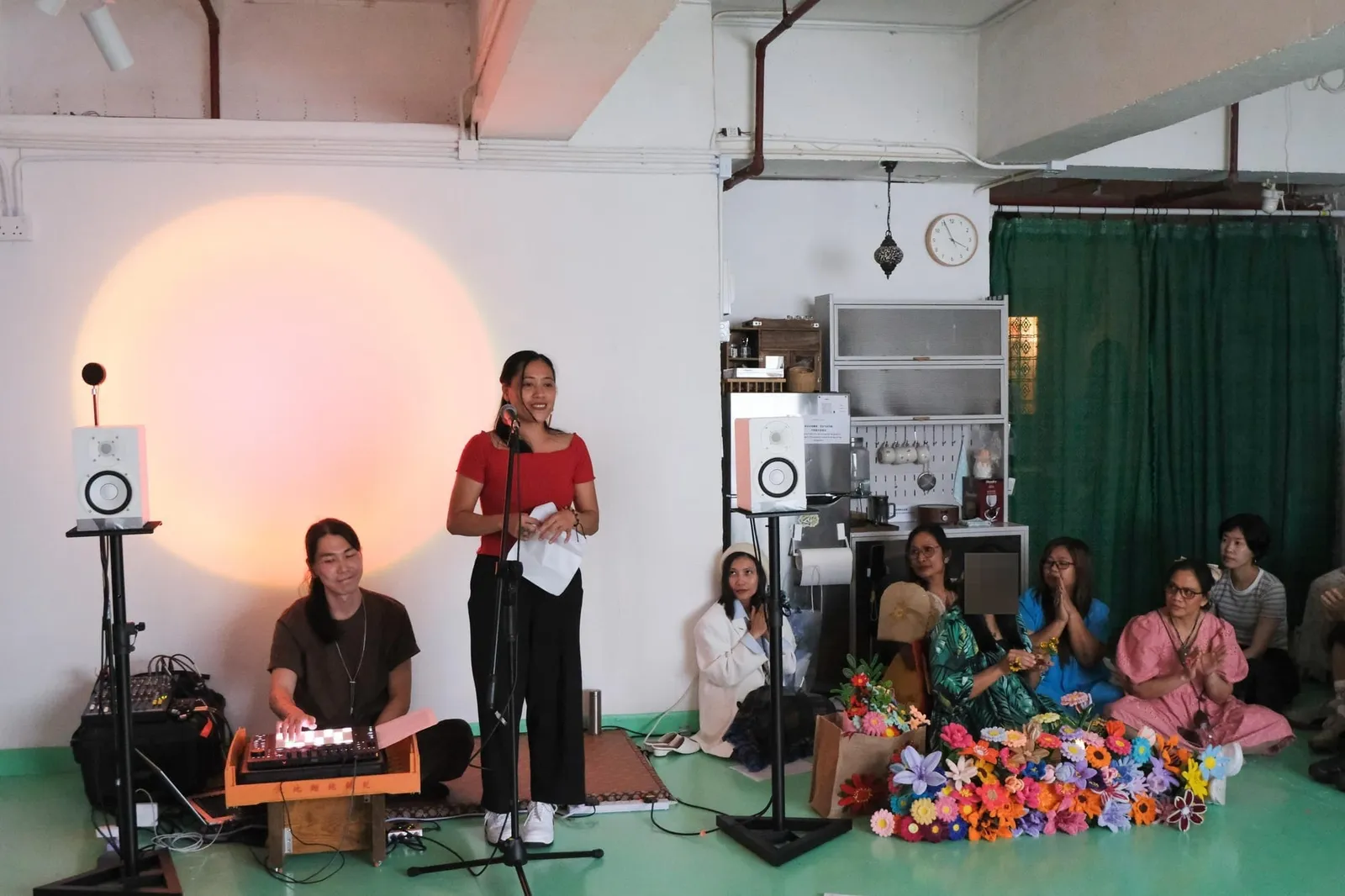
I have been that child who was raised by a woman whose presence in my life meant that she couldn’t raise her own; ‘guilt’ doesn’t cover the extent of what I was feeling when listening to her. It was a conversation that revealed so much of the systemic inequalities for which we are culpable, which exist to position these women in this way. It activated my sense of justice in a way that hadn’t been fired up before, and even then, I needed to surrender to just holding the space. Even if I wanted to scream in solidarity and support, it was crucial that the discourse was not centred around me in any way, but rather around the participants. So, sit. Sit and listen and feel it all, even if it's ugly, because doing so will inform you and the work more than you realise.
- Process comes first: your artistry comes second
It might sound contradictory to bring an artist onto a project with the purpose of creative collaboration, only to shift primary focus away from their artistry during the process. Herein lies a crucial factor in this work: your craft comes second to the way in which the project participants experience the working process.
One participant I worked with struggled with the pressure of “performing”, so much so that at one point she arrived early to our working studio for our penultimate session, only to leave before I arrived, in order to avoid the unfamiliarity of what I was asking of her. Upon her return, I learned through listening to her perspective and discussing her specific talents, which we then used to develop her final performance. Working with and around her needs taught me the importance of stepping back to listen and prioritise her experience over my initial directorial motivations.
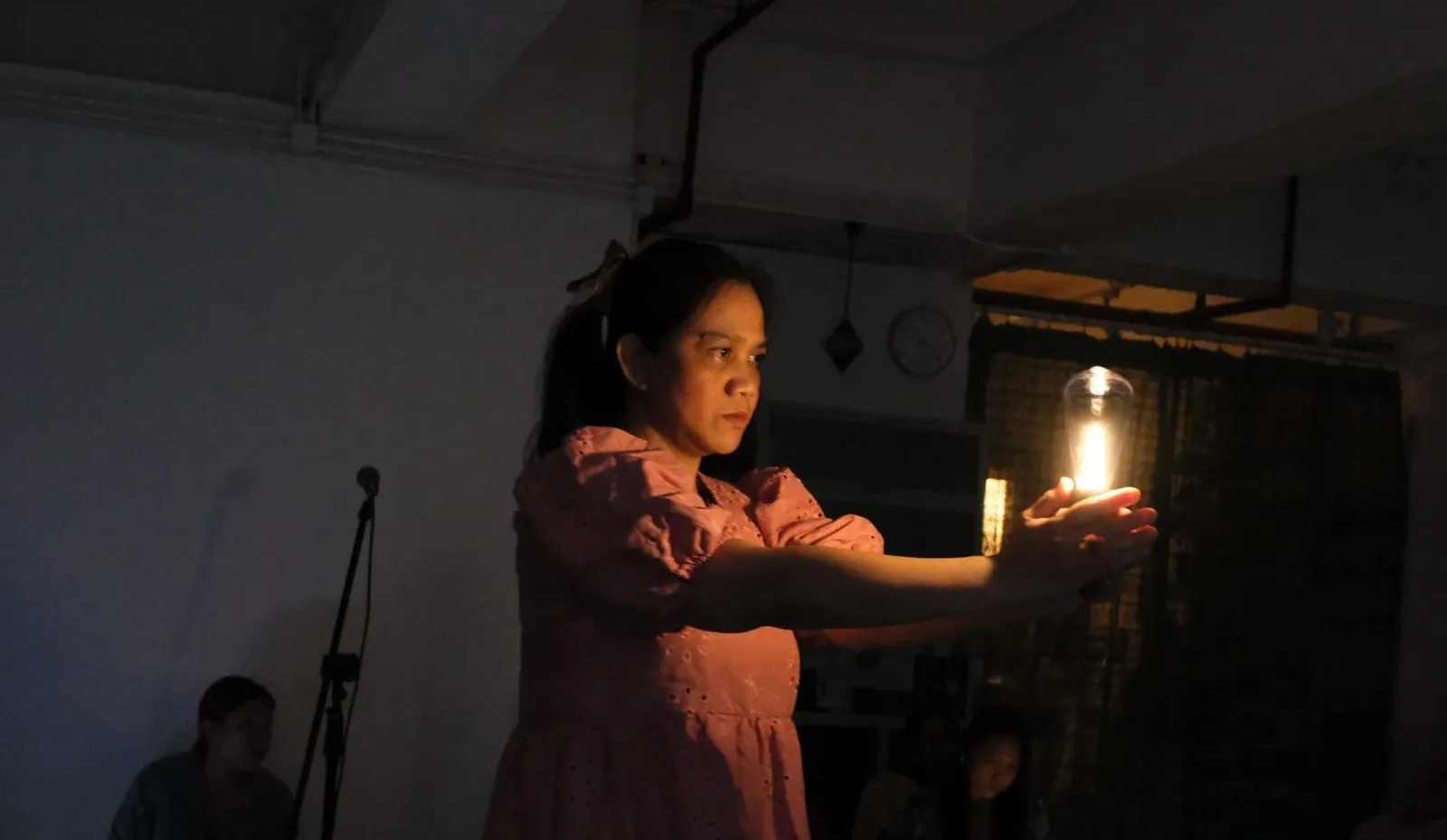
Worry first about how your collaborators are doing, and once you are sure that they are at ease and thriving under your direction and care, then you can start to consider the final product. This isn’t to take away from the relevance of your specialised skill set (in fact, imparting your skill set is incredibly valuable). Just make sure to prioritise the way in which you are facilitating the process at every step, and the work will unfold as it needs to.
- Don’t forget, you’re still just human.
You might believe that you’re not good enough to be involved, let alone lead, in socially engaged art. It can feel audacious: who are you, and why should your art be the mode of interaction? The truth is: you are going to fail on some level. There will always be ways in which you misunderstand or misstep, not only due to matters of context such as privilege and power, but because you are a person. Artists are human, and humans move with the world as best they can. I’ve learned that an artist must live in a state of learning, not just so that your art can constantly be in conversation with the present, but for the sake of perspective as a person.
I am so grateful to have had this opportunity, and I cannot wait to continue creating socially engaged work.